
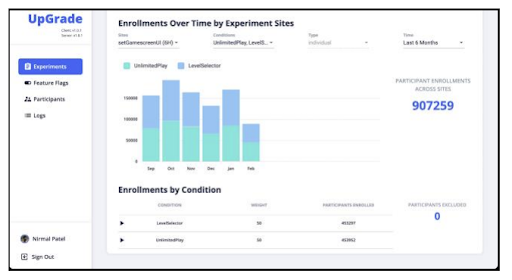
Turn uncertainty into actionable learning — faster, with fewer students. Adaptive Experiments builds Experiments‑As‑a‑Service Infrastructure (EASI) to make real‑world educational field experiments simple, reproducible, and effective. Lower the barrier for teachers and researchers to test instructional designs, discover what improves learning, and deploy improvements at scale.
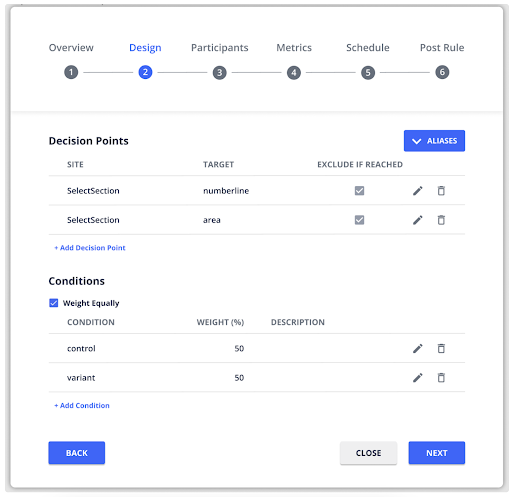
Run randomized and adaptive experiments (Thompson sampling & Bayesian inference) to get answers with fewer participants. Monitor results in real time with dashboards and alerts, and keep experiments reproducible with versioned configs and analysis pipelines.
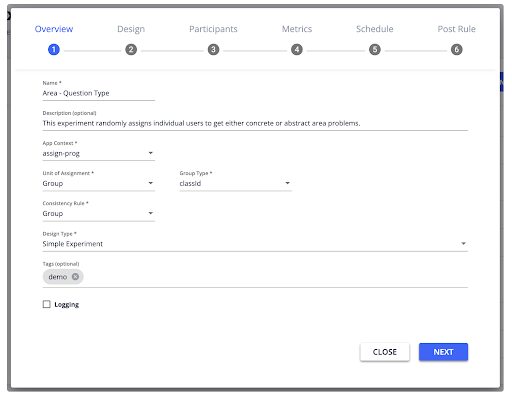
Integrate with analytics, LMS, and CI for production workflows. Contribute experiments, access reproducible analysis pipelines, and use curated open training materials to scale practice.
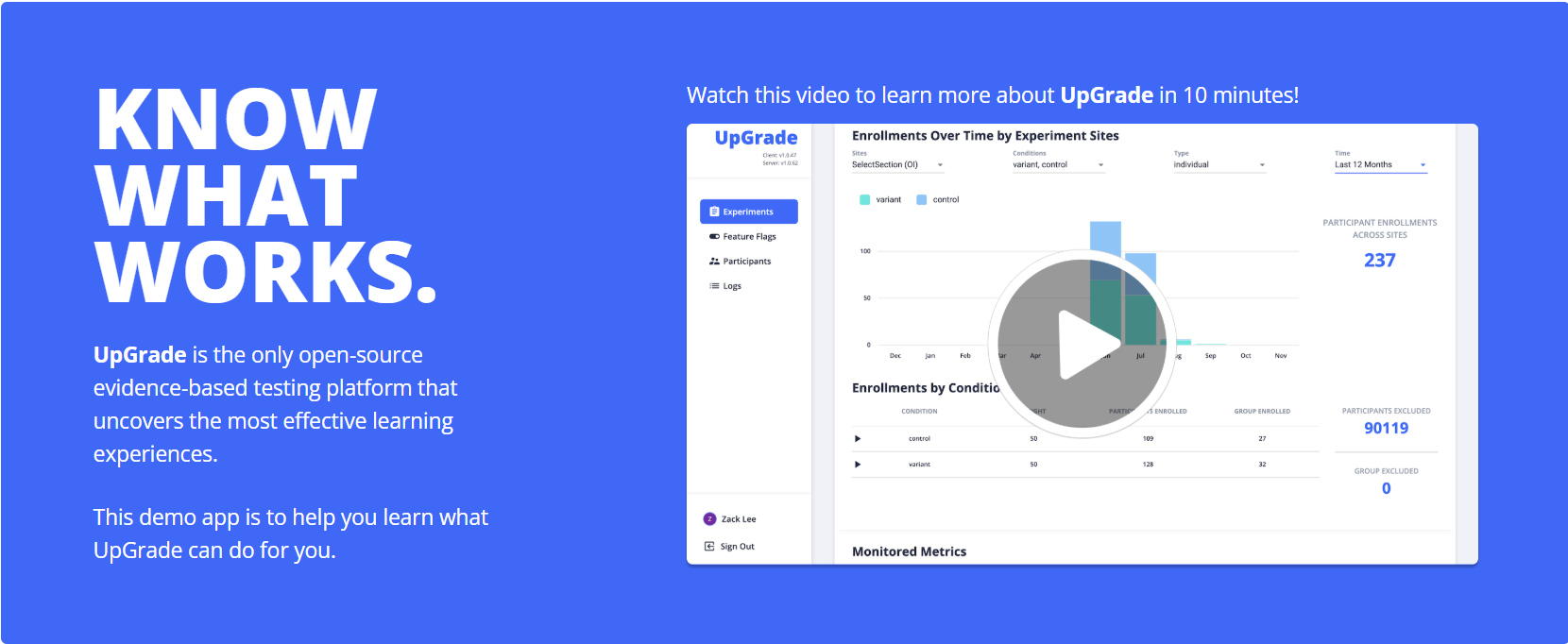
The overall goal of EASI is to provide for the rapid creation of deployment of experiments in educational technologies.
A concrete win: well‑designed experiments have shown small instructional tweaks can raise outcomes substantially — for example, prompting students to reflect on course relevance improved performance by roughly half a letter grade (Hulleman & Harackiewicz, 2009).1
Hulleman, C. S., & Harackiewicz, J. M. (2009). Promoting interest and performance in high school science classes. Science, 326(5958), 1410-1412. ↩ ↩